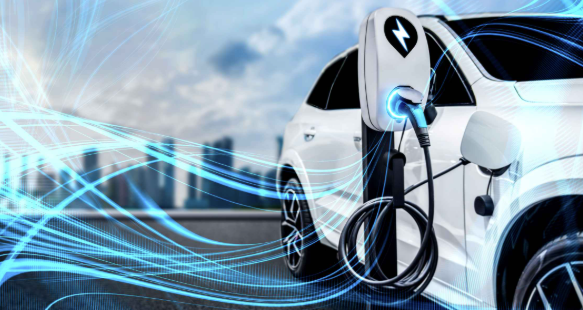
The Future of Electric Vehicles

The future of electric vehicles (EVs) is shaped by key technological advancements and evolving market dynamics. Battery innovations are enhancing range and efficiency, while autonomous driving capabilities are gaining traction. Additionally, the expansion of charging infrastructure is critical for consumer acceptance. Government policies and incentives further catalyze this transition. Understanding these factors will illuminate the potential trajectory of EV adoption and its implications for sustainable transportation. What remains uncertain is the pace at which these changes will unfold.
The Rise of EV Technology
As the global demand for sustainable transportation solutions has intensified, the rise of electric vehicle (EV) technology has emerged as a pivotal response to climate change and fossil fuel dependence.
Key to this evolution are significant battery advancements, enhancing energy density and reducing charging times.
Additionally, the integration of autonomous driving capabilities presents opportunities for increased efficiency, making EVs a compelling option for freedom-seeking consumers.
Charging Infrastructure and Accessibility
While the expansion of electric vehicles (EVs) offers a promising path toward sustainable transportation, the effectiveness of this transition heavily relies on the development of robust charging infrastructure.
Effective urban planning is essential for establishing comprehensive charging networks that ensure accessibility. The growth of these networks must align with population density and travel patterns, ultimately enhancing the freedom of EV users and encouraging widespread adoption.
Government Policies and Incentives
The development of electric vehicle (EV) adoption is significantly influenced by government policies and incentives designed to promote sustainable transportation.
Tax credits encourage consumers to purchase EVs, while stringent emission regulations compel manufacturers to innovate.
These measures collectively aim to reduce greenhouse gas emissions and enhance air quality, ultimately fostering a market environment where EVs can thrive and provide individuals with greater transportation freedom.
See also: gazettepmu2
The Future Landscape of Mobility
How will advancements in technology and shifting consumer preferences shape the future landscape of mobility?
The integration of autonomous driving technologies and the rise of shared mobility services are poised to redefine transportation.
Data indicates a growing demand for flexible, environmentally-friendly options, fostering a shift away from traditional ownership models.
This evolution promises greater freedom, efficiency, and accessibility in urban environments.
Conclusion
In conclusion, while some critics may argue that the current charging infrastructure is insufficient for widespread EV adoption, ongoing investments and innovations are rapidly addressing these concerns. With advancements in battery technology and increased government support, the landscape for electric vehicles is evolving to become more accessible and efficient. As consumer demand continues to rise, the transition towards electric mobility promises to reshape transportation, contributing significantly to a sustainable future and reducing environmental impacts.